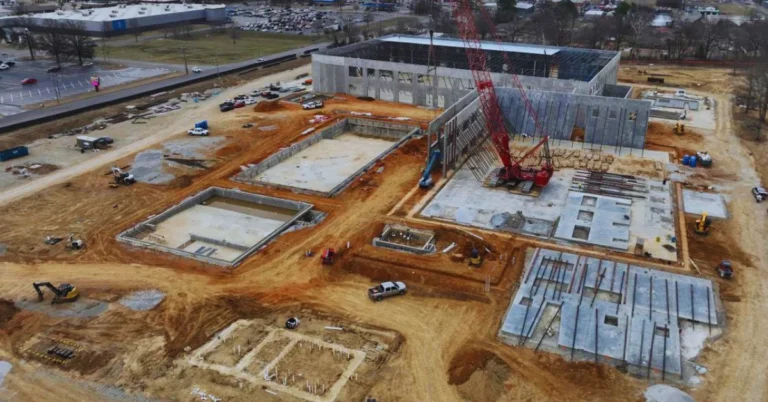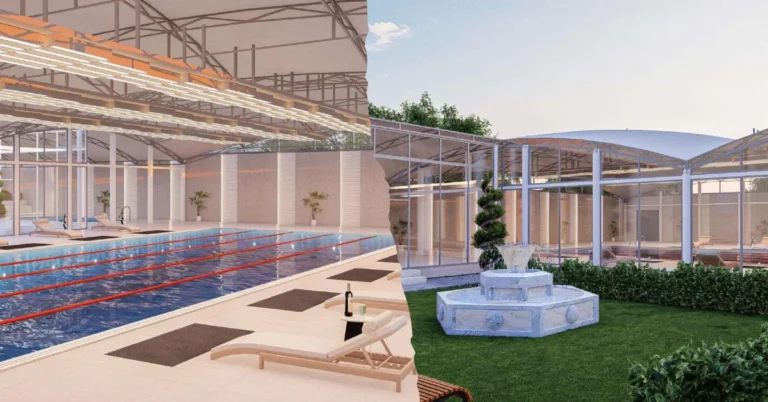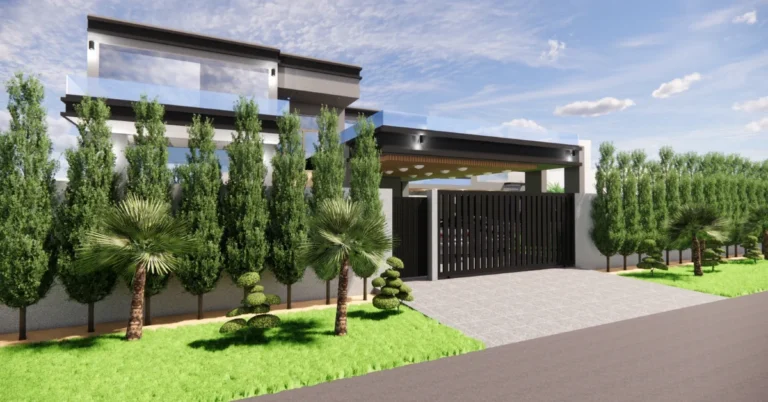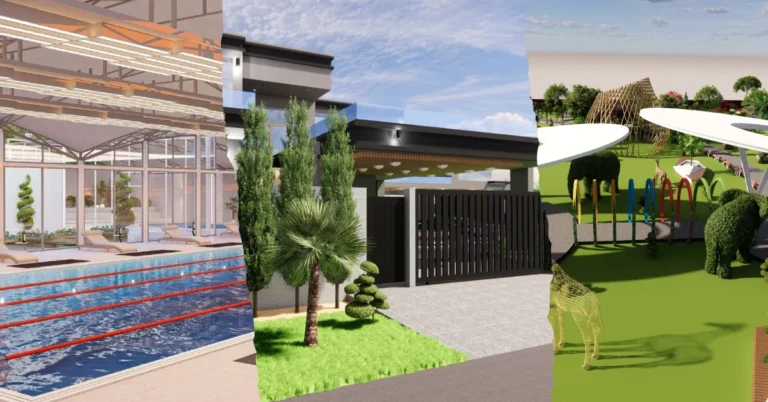
The demand for sports complex construction has grown significantly as communities, institutions, and developers recognize the value of modern sports facilities. A well-planned sports complex not only promotes health and fitness but also serves as a hub for social engagement and large-scale events.
In today’s competitive environment, investing in high-quality sports facility construction is essential for long-term success and sustainability. From schools and universities to commercial developers, the need for advanced and multi-functional sports complexes continues to rise. Sports complex construction is not just about building structures—it is about creating lasting experiences.
Understanding Sports Complex Planning and Development
Effective sports complex planning and development is the foundation of any successful project. It involves analyzing user requirements, defining project goals, and creating a roadmap for execution. Proper planning ensures that the facility meets both current and future demands, avoiding costly modifications later.
Site Selection and Location Analysis
Choosing the right location is a key factor in sports complex construction. A strategic location ensures accessibility for users and increases the overall value of the facility. Factors such as connectivity, surrounding infrastructure, and population density must be carefully evaluated. Proper site analysis also helps identify potential challenges related to terrain and environmental conditions.
Budget Planning & Cost Management
Budgeting is a critical aspect of sports complex planning and development. A well-defined budget helps in controlling costs and avoiding financial overruns. It also ensures that resources are allocated effectively across design, construction, and maintenance phases. Proper cost management leads to efficient project completion without compromising quality.
Modern Sports Complex Trends and Innovations
The field of modern sports complexes is evolving rapidly with the integration of advanced technologies and innovative designs. Today’s facilities are designed to be multi-functional, allowing them to host a variety of sports and events. Smart technologies such as automated lighting, climate control, and digital scoreboards enhance the overall user experience. Sustainability is another key trend, with developers focusing on eco-friendly materials and energy-efficient systems.
These innovations not only reduce operational costs but also minimize environmental impact. Additionally, modular construction techniques are gaining popularity for their efficiency and flexibility. The use of advanced materials ensures durability and long-term performance. Modern sports complexes are also designed with spectator comfort in mind, offering improved seating and amenities. By embracing these trends, developers can create facilities that meet the expectations of modern users.
Sports Complex Architecture Design: Blending Functionality with Aesthetics
A successful project requires a strong focus on sports complex architecture design, where functionality meets visual appeal. The design must accommodate various sports activities while ensuring smooth movement and accessibility. Efficient space utilization is essential for maximizing the usability of the facility. Architects must also consider factors such as natural lighting, ventilation, and acoustics. A well-designed complex enhances both player performance and spectator experience.
Indoor vs Outdoor Design Considerations
Indoor and outdoor sports complex construction requires different design approaches. Both types demand careful planning to ensure durability, efficiency, and an optimal user experience. The following comparison highlights the key differences between indoor and outdoor sports complexes, helping you choose the right option based on needs.
| Factor | Indoor Sports Complex | Outdoor Sports Complex |
| Usability | Can be used all year regardless of weather conditions | Depends on weather; may be limited during rain or extreme heat |
| Climate Control | Requires HVAC systems to maintain temperature and comfort | No climate control; relies on natural conditions |
| Ventilation & Lighting | Needs proper artificial ventilation and lighting systems | Uses natural airflow and sunlight |
| Flooring/Surface | High-quality indoor flooring for safety and performance | Durable surfaces designed to handle weather and heavy use |
| Durability | Protected from weather, so materials last longer | Must withstand heat, rain, and environmental damage |
| Drainage System | Minimal drainage requirements | Essential to prevent water accumulation and damage |
| Noise Control | Acoustic design required to reduce noise inside | Open space naturally reduces noise issues |
| Amenities | Includes gyms, locker rooms, seating, and additional facilities | Limited indoor amenities; may include open seating and basic facilities |
| Maintenance | Requires regular indoor maintenance and system checks | Needs surface repairs, cleaning, and weather-related maintenance |
| Design Flexibility | Controlled environment allows precise and customized design | Requires flexible layouts for multi-sports and environmental adaptation |
| Cost Factor | Higher initial cost due to structure and systems | Generally lower cost but ongoing maintenance required |
| User Experience | Comfortable and controlled environment for players and spectators | Natural and open-air experience |
Safety Standards and Compliance
Safety is a top priority in sports facility construction. Compliance with building codes and safety regulations ensures the protection of users and staff. Proper safety measures also enhance the credibility and reliability of the facility.
👉 Read More: Farmhouse Construction Guide
Role of Technology in Sports Complex Design & Construction
Technology is transforming sports complex design and construction by improving efficiency and precision. Tools such as 3D modeling and Building Information Modeling (BIM) allow for better visualization and planning. Automation and smart systems enhance operational efficiency. Advanced security and monitoring systems improve safety within the facility. Energy management systems help reduce operational costs. Technology also plays a role in enhancing user experience through digital features. These innovations make modern sports complexes more functional and user-friendly. By integrating technology, developers can achieve higher levels of efficiency and performance.
Why Hiring Professional Construction Company Matters
Hiring experienced professionals for sports complex construction ensures quality results and smooth project management. Experts handle technical challenges, follow safety standards, and keep projects on schedule and within budget. Their skills improve durability, reduce risks, and deliver better overall outcomes with efficient and reliable execution.
When it comes to choosing the right partner, Atlantic Group: Best Construction Company in Lahore stands out for its expertise and proven results. Our professional team manages everything from planning to execution, delivering durable and customized solutions. With a strong focus on quality, innovation, and timely delivery, We ensure complete client satisfaction.
Conclusion
Successful sports complex construction requires a combination of strategic planning, innovative design, and expert execution. By focusing on quality, functionality, and sustainability, developers can create facilities that stand the test of time. Modern sports complexes must cater to evolving user needs while maintaining high performance standards. Investing in professional services ensures efficient and reliable project completion. Developers like Atlantic Group adopt a forward-thinking approach that can achieve better results and higher returns. In short, the future of sports infrastructure lies in innovation and quality-driven construction.
FAQs
What are the key elements of a sports complex?
Key elements include playing areas, seating, locker rooms, parking, and advanced infrastructure like lighting and drainage systems.
How long does it take to build a sports complex?
The timeline depends on the project size and complexity but typically ranges from several months to a few years.
What is the cost of sports complex construction?
Costs vary based on design, location, materials, and facilities included in the project.
Why is sustainability important in sports complex construction?
Sustainability reduces environmental impact, lowers operational costs, and ensures long-term efficiency.