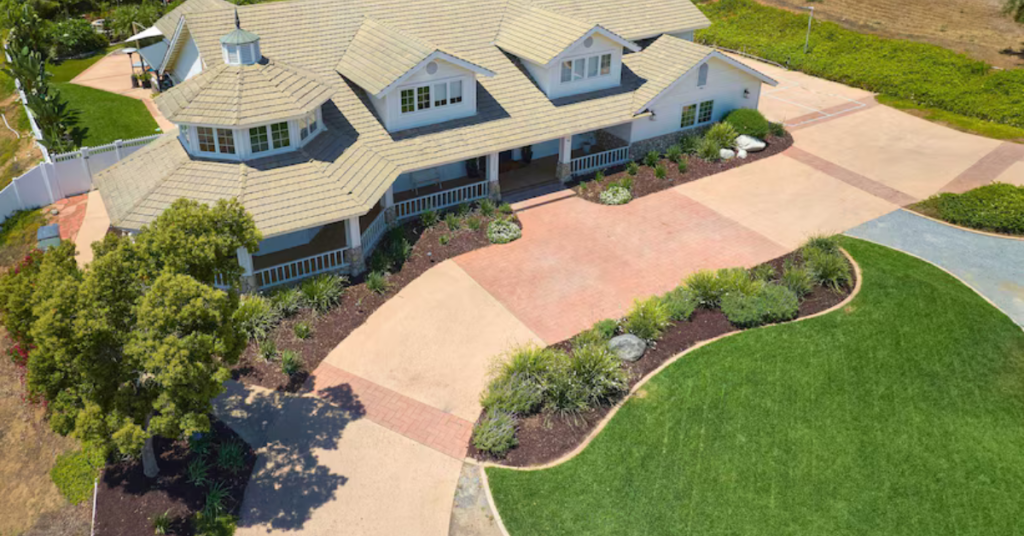
Transforming empty land into a luxury farmhouse is more than just a construction project—it is a complete lifestyle upgrade and a strategic real estate investment. In today’s market, buyers and investors are increasingly attracted to modern farmhouse designs that combine comfort, sustainability, and high-end aesthetics. This transformation requires careful planning, expert architectural input, and efficient execution to achieve the desired results. From land selection to final finishing, each stage plays a crucial role in determining the overall quality and value of the farmhouse.
Luxury farmhouses are designed not only for living but also for relaxation, entertainment, and long-term investment growth. The integration of smart technologies, eco-friendly solutions, and outdoor living spaces further enhances their appeal. With the right approach, even a simple plot of land can be turned into a premium property that stands out in the market. This step-by-step guide explains how to achieve that transformation effectively.
Step 1: Land Selection & Site Analysis
2.1 Location & Accessibility
Choosing the right location is the foundation of a successful farmhouse project. Accessibility to main roads, proximity to urban centers, and surrounding development significantly influence property value. A well-located plot ensures convenience while maintaining the peaceful environment expected from a farmhouse.
2.2 Soil Quality & Topography
Soil testing and land topography analysis are essential before construction begins. Strong soil ensures structural stability, while the natural slope of the land can be used to enhance drainage and landscape design.
2.3 Climate & Environmental Factors
Understanding climate conditions helps in designing energy-efficient farmhouses. Factors such as sunlight direction, wind flow, and seasonal changes influence both architectural planning and material selection.
Step 2: Planning & Architectural Design
- Develop a functional farmhouse layout with proper zoning for living, recreational, and service areas
- Choose between modern, traditional, or hybrid farmhouse architectural styles
- Ensure efficient space utilization with open-plan designs and natural lighting
- Integrate smart home features for comfort and convenience
- Collaborate with professional architects for expert planning and execution
- Focus on both aesthetics and long-term functionality
- Align design with sustainability and energy efficiency goals
Step 3: Legal Approvals & Documentation
Before starting construction, it is essential to complete all legal formalities to avoid future complications. This includes verifying land ownership, obtaining building approvals, and ensuring compliance with local zoning regulations. Proper documentation not only protects your investment but also ensures a smooth construction process. Utility permissions for water, electricity, and sewage systems must also be secured in advance. Working with experienced consultants like Atlantic Group helps streamline this process and prevents unnecessary delays. Legal clarity is a critical step in transforming land into a high-value property. Ignoring this stage can lead to costly issues later in the project. Therefore, it is always advisable to handle approvals professionally and thoroughly.
Step 4: Budget Planning & Cost Estimation
Budget planning is one of the most important aspects of farmhouse design, development, as it directly impacts design choices and project execution. A detailed cost estimate should include land development, construction, materials, labor, and finishing expenses. It is also important to account for hidden costs such as approvals, landscaping, and utility installations. Setting a realistic budget helps avoid financial stress during the project.
While luxury farmhouses require higher investment, they also offer strong returns in terms of property value and rental potential. Strategic financial planning ensures that resources are allocated efficiently without compromising quality. Investors should always focus on long-term value rather than short-term savings. Proper budgeting lays the foundation for a successful and stress-free project.
Step 5: Infrastructure Development
Road Access & Boundary Development
Developing proper road access ensures smooth transportation of materials and easy connectivity. Boundary walls provide security and define the property layout.
Water Supply & Drainage Systems
Efficient water management systems, including borewells and drainage planning, are essential for long-term sustainability and usability.
Electricity & Utility Setup
Reliable electricity connections and backup systems such as generators or solar panels ensure uninterrupted functionality of the farmhouse.
Step 6: Construction Phase
The construction phase is where planning turns into reality, requiring careful supervision and quality control at every stage. From foundation work to structural development and finishing, each step must be executed with precision. Selecting high-quality materials ensures durability and long-term performance. Skilled labor and experienced contractors play a crucial role in maintaining construction standards. Regular site inspections help identify and resolve issues early, preventing costly corrections later. Proper project management ensures that timelines are met without compromising quality. This phase demands continuous coordination between architects, engineers, and contractors. A well-executed construction process results in a strong, visually appealing, and long-lasting farmhouse.
Step 7: Luxury Features & Interior Design
- High-end interior finishes such as marble, wood, and designer fittings
- Smart home automation systems for lighting, security, and climate control
- Spacious bedrooms, modern kitchens, and luxury bathrooms
- Large windows and open spaces for natural light and ventilation
- Premium furniture and customized décor elements
- Integration of indoor-outdoor living concepts
- Focus on comfort, elegance, and functionality
Step 8: Outdoor & Landscape Design
Outdoor and landscape design plays a vital role in enhancing the overall appeal of a luxury farmhouse. Well-designed gardens, lawns, and green spaces create a relaxing and visually pleasing environment. Features such as swimming pools, outdoor lounges, and seating areas add to the lifestyle experience. Pathways, lighting, and water features further enhance the aesthetics and usability of outdoor spaces.
Landscaping also contributes to environmental sustainability by improving air quality and reducing heat. A balanced design ensures that outdoor elements complement the architectural style of the farmhouse. Professional landscaping significantly increases property value and market appeal. It transforms the farmhouse into a complete lifestyle destination.
Step 9: Sustainable & Eco-Friendly Solutions
Sustainability has become a key focus in modern farmhouse development, as property owners aim to reduce environmental impact and operational costs. Eco-friendly solutions such as solar panels, rainwater harvesting systems, and energy-efficient appliances are widely used. Natural ventilation and strategic orientation of the building help minimize energy consumption.
The use of sustainable materials further enhances environmental performance. These features not only reduce utility costs but also improve living comfort. Buyers today prefer properties that align with green building standards. As a result, eco-friendly farmhouses have higher demand and resale value. Companies like Atlantic Group are increasingly adopting sustainable practices to meet modern design expectations.
Step 10: Final Finishing & Quality Inspection
Key Final Steps
- Interior and exterior finishing touches
- Quality checks for construction and materials
- Safety inspections and compliance verification
- Testing of utilities and smart systems
- Final cleaning and preparation for handover
Step 11: Property Value & Investment Benefits
Luxury farmhouses are not just lifestyle properties but also strong investment assets in the real estate market. Their value increases significantly due to premium design, modern features, and strategic location. These properties attract high-end buyers and renters, ensuring steady returns. Well-designed farmhouses also offer excellent resale potential in competitive markets. The combination of comfort, aesthetics, and functionality makes them highly desirable. Investors benefit from both capital appreciation and rental income opportunities. Professional planning and execution play a key role in maximizing these benefits. In the long run, farmhouse development proves to be a profitable and rewarding investment.
Common Challenges & How to Overcome Them
Transforming empty land into a luxury farmhouse comes with several challenges, including budget constraints, construction delays, and lack of proper planning. However, these challenges can be effectively managed with the right strategies. Hiring experienced professionals ensures better project management and reduces the risk of errors. Proper budgeting and contingency planning help handle unexpected expenses.
Regular monitoring of construction progress prevents delays and maintains quality standards. Choosing reliable contractors and suppliers is also essential for smooth execution. Clear communication between all stakeholders improves coordination and efficiency. With proper planning and expert guidance, most challenges can be minimized or avoided.
Conclusion: From Vision to Reality
The journey from empty land to a luxury farmhouse is a complex yet rewarding process that requires vision, planning, and professional execution. Each step, from site analysis to final finishing, contributes to the overall success of the project. A well-designed farmhouse not only enhances lifestyle but also serves as a valuable long-term investment. Modern trends emphasize sustainability, smart living, and aesthetic appeal, making professional expertise more important than ever. With the right approach, even a simple plot can be transformed into a premium property that stands out in the market. Atlantic Group continues to deliver innovative solutions that align with modern architectural standards and client expectations. Investing in a luxury farmhouse is not just about construction—it is about creating a future-ready living experience.
FAQs
How long does it take to build a luxury farmhouse?
It typically takes 8–18 months depending on design complexity, size, and construction efficiency.
What is the cost of building a luxury farmhouse?
Costs vary based on location, materials, design, and features, but proper planning ensures better cost control.
Do I need an architect for farmhouse construction?
Yes, professional architects ensure efficient planning, modern design, and long-term value.
What are the key features of a modern farmhouse?
Open layouts, smart home systems, eco-friendly solutions, and luxury interiors are essential features.